Beyond the Generalist: The Strategic Rise of Vertical-Specific AI CRM

Beyond the Generalist: The Strategic Rise of Vertical-Specific AI CRM
For decades, the Customer Relationship Management (CRM) market was dominated by a few titans offering “Swiss Army Knife” solutions. These platforms were designed to be everything to everyone—whether you were a boutique real estate agency, a high-frequency trading firm, or a non-profit healthcare provider. However, the one-size-fits-all era is rapidly fading. As businesses demand deeper efficiency and more relevant insights, the industry is pivoting toward Vertical-Specific AI CRM.
This shift isn’t just a minor iteration; it’s a fundamental reimagining of how software interacts with specialized business processes. By combining industry-specific logic with the transformative power of Artificial Intelligence, these platforms are moving from being simple databases to becoming intelligent operating systems tailored for a single niche.




The Limitations of the Generalist Approach
Traditional CRMs are powerful, but they often require months of expensive customization to fit a specific industry’s needs. A law firm needs to track billable hours and case precedents, while a manufacturing company needs to manage supply chain logistics and equipment maintenance. In a generic CRM, these functionalities are often hacked together through complex third-party integrations or heavy custom coding.
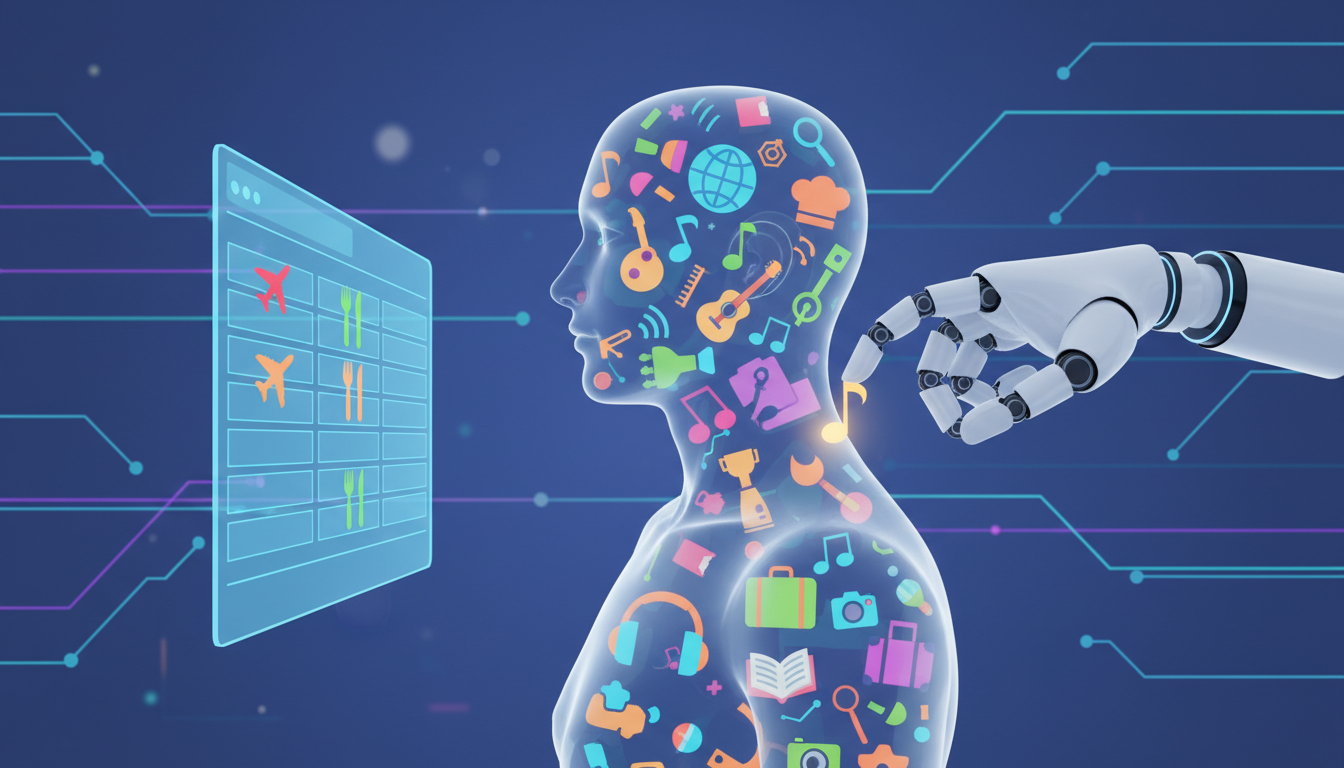
Furthermore, generic AI tools integrated into these platforms often lack context. An AI that understands “sales leads” in a general sense may struggle to distinguish between a “prospective patient” in healthcare (which requires HIPAA compliance and clinical sensitivity) and a “prospect” in retail. This lack of nuance leads to generic automation that can feel impersonal or, in some cases, legally risky.
[IMAGE_PROMPT: A professional split-screen illustration showing a cluttered, generic software dashboard on the left versus a clean, specialized industry-specific dashboard for a medical clinic on the right, with glowing blue AI data strands connecting the elements.]
Defining the Vertical AI CRM
A Vertical-Specific AI CRM is built from the ground up for a particular industry. Whether it’s focused on finance (FinTech), healthcare (HealthTech), or construction (ConTech), the underlying data models are already pre-configured to reflect that industry’s reality. When you layer AI on top of these specialized models, the magic happens. The AI doesn’t need to be taught what a “Closing Disclosure” is in real estate; it already knows, and it knows exactly when to flag a missing signature in a document.
These platforms offer several distinct advantages:
1. Pre-built Compliance: In highly regulated industries like life sciences or finance, data privacy isn’t optional. Vertical CRMs are built with these regulations (like GDPR, HIPAA, or FINRA) as a foundational layer.
2. Industry-Specific LLMs: Instead of relying purely on general-purpose models, vertical CRMs often leverage Large Language Models (LLMs) fine-tuned on industry-specific literature, legal codes, or technical documentation.
3. Accelerated Time-to-Value: Since the workflows are already aligned with the user’s daily tasks, the implementation period is slashed from months to weeks.
Real-World Impact Across Sectors
Let’s look at how this is manifesting in specific sectors. In the Healthcare space, an AI CRM can automatically transcribe doctor-patient consultations, extract relevant clinical data, and update the patient’s record while flagging potential drug interactions. This isn’t just “managing a contact”; it’s augmenting a professional’s expertise.
In Real Estate, AI-driven vertical platforms can analyze local market trends, property tax history, and demographic shifts to tell an agent exactly which contact in their database is most likely to sell their home in the next six months. It transforms the agent from a cold-caller into a data-driven consultant.
[IMAGE_PROMPT: A high-tech digital visualization of a real estate agent looking at a tablet that displays a 3D city map with predictive heatmaps and AI-generated lead scores hovering over buildings, clean professional aesthetic.]
The AI Advantage: Context is Everything
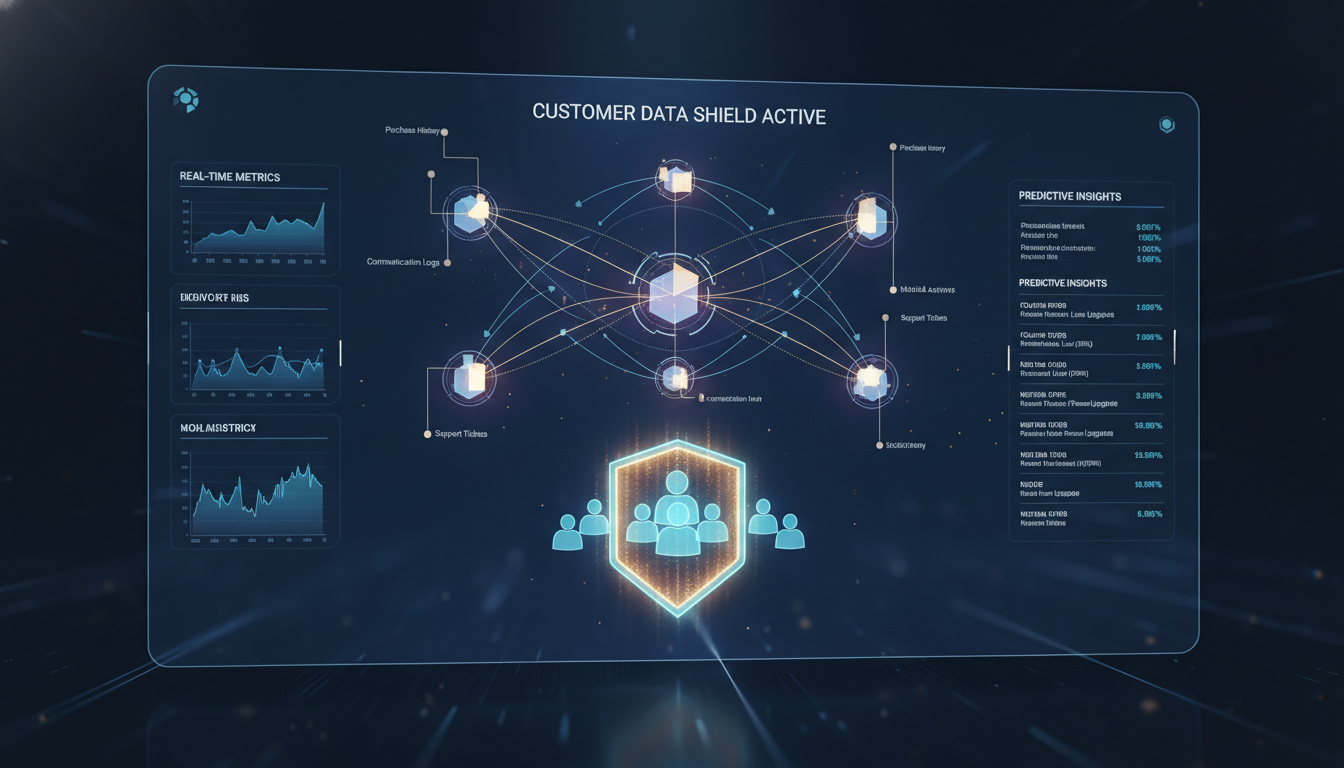
The true power of AI in a vertical context is its ability to provide actionable intelligence rather than just raw data. In a general CRM, a manager might look at a dashboard showing total sales. In a Vertical AI CRM for SaaS (Software as a Service), the AI can analyze usage patterns and support tickets to provide a “Churn Risk Score,” specifically tailored to subscription-based business models.
Generative AI takes this a step further. Instead of a generic email template, a vertical AI can draft a highly technical response to a Request for Proposal (RFP) in the aerospace industry, using the correct terminology and referencing the company’s past engineering successes. It acts as an expert assistant that has read every document the company has ever produced.
The Future: The Death of the “Customization” Project
As we look toward the next five years, the concept of the “customization project” might become a relic of the past. Companies will no longer buy a blank slate and hire expensive consultants to build their processes into it. Instead, they will buy a platform that already “speaks their language.”
However, this transition is not without challenges. Data silos remain a significant hurdle. For a Vertical AI CRM to be effective, it must be able to pull data from legacy systems, which are often antiquated and resistant to integration. Furthermore, there is the question of data sovereignty—who owns the specialized models trained on a company’s unique industry data?
Conclusion: Choosing the Right Path
For business leaders, the decision between a generalist and a vertical-specific platform is becoming clearer. If your business operates in a niche with unique regulatory requirements, specialized terminology, or complex sales cycles, a generic CRM is no longer enough. The efficiency gains offered by Vertical-Specific AI are too significant to ignore.
In the modern economy, speed and relevance are the ultimate currencies. Vertical-Specific AI CRMs provide both by ensuring that every automated task, every predictive insight, and every customer interaction is rooted in the specific context of your industry. It’s time to stop fighting against your software and start using a platform that was built for you.