Revolutionizing the Customer Journey: A Deep Dive into Generative AI CRM Workflows

In the rapidly evolving landscape of digital commerce, the Customer Relationship Management (CRM) system has long been the heartbeat of sales and marketing operations. However, we are currently witnessing a seismic shift. The transition from static, data-entry-heavy databases to dynamic, proactive intelligence engines is here, fueled by the integration of Generative AI (GenAI). This article explores how Generative AI CRM workflows are not just improving efficiency but are fundamentally redefining how businesses interact with their customers.
The Evolution of the CRM: From Rolodex to Reasoning

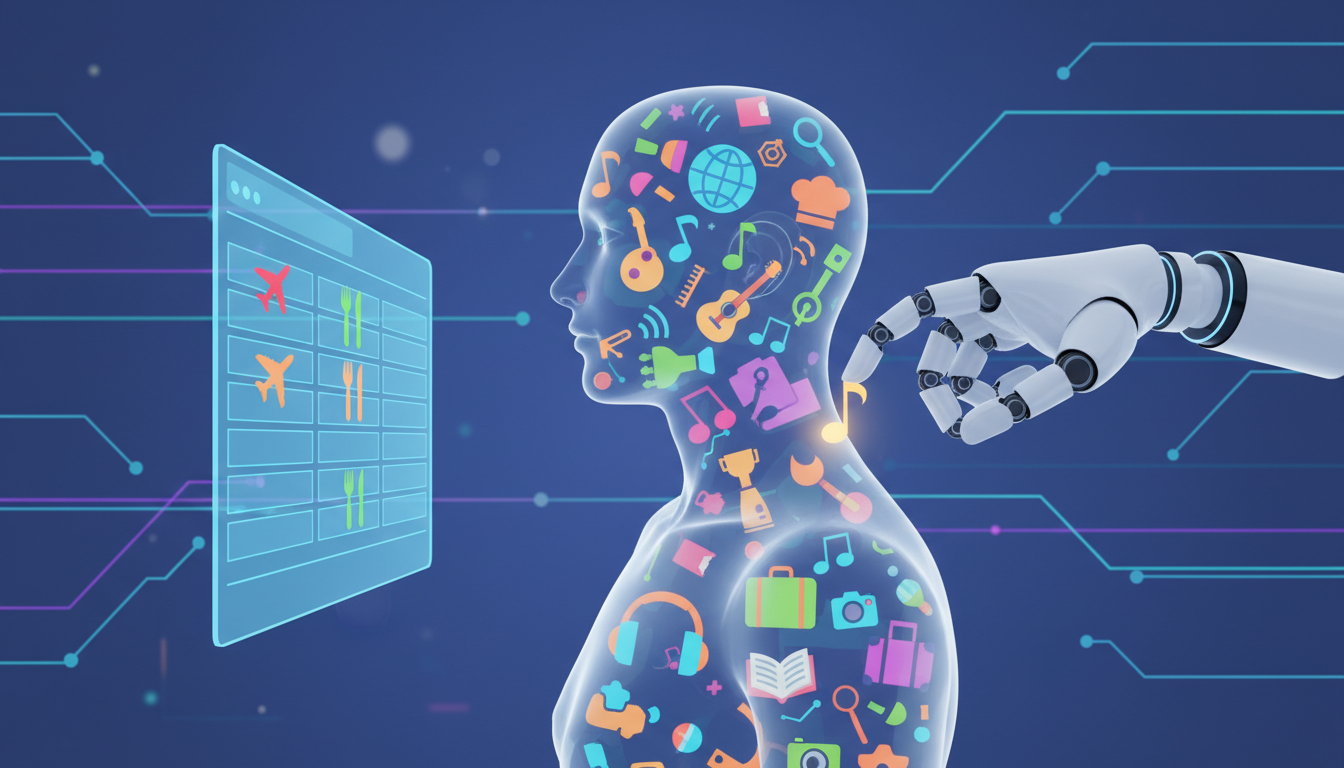



For decades, CRMs were essentially glorified digital filing cabinets. They required manual input, consistent maintenance, and a significant amount of human intervention to derive any meaningful insights. Sales reps spent hours logging calls, and marketers spent days segmenting lists.
With the advent of Generative AI—powered by Large Language Models (LLMs) like GPT-4 and Claude—the CRM is moving from a ‘system of record’ to a ‘system of intelligence.’ Instead of just storing a customer’s name and last purchase, a GenAI-integrated CRM can understand the context of the customer’s last five emails, sentiment in their support tickets, and even predict what they might want next.
Enhancing the Top of the Funnel: Lead Generation and Qualification
One of the most immediate impacts of Generative AI is seen in the lead generation phase. Traditional workflows often involve massive cold outreach with low conversion rates. GenAI transforms this into a surgical operation.
Imagine a workflow where the CRM automatically scans social media signals and news reports for a target account. If the account announces an expansion, the AI generates a personalized outreach email that references the expansion and explains how your product can help. This isn’t just a ‘Dear [First_Name]’ template; it’s a context-aware, highly relevant message written in seconds.

Furthermore, lead scoring is no longer based on arbitrary points. GenAI can analyze the qualitative data of a prospect’s interaction—the questions they asked in a chat, the tone of their voice in a recorded call—to provide a nuanced ‘propensity to buy’ score, allowing sales teams to focus on the hottest leads.
The Art of Hyper-Personalization at Scale
Personalization has been a marketing buzzword for years, but GenAI makes it a reality at scale. In a standard workflow, a marketer might create three versions of an email for three different segments. In a GenAI-powered CRM workflow, the system can generate three thousand versions—one for each individual recipient.
By leveraging the data within the CRM, the AI can adjust the tone (formal vs. casual), the value proposition emphasized (cost-saving vs. innovation), and even the timing of the delivery based on individual behavioral patterns. This level of hyper-personalization significantly boosts engagement rates and fosters a sense of genuine connection between the brand and the consumer.
Streamlining Sales Enablement and Support
For sales teams, GenAI acts as a 24/7 executive assistant. A common bottleneck in sales is the ‘post-call’ routine: summarizing the meeting, updating the CRM status, and sending a follow-up email.
Modern GenAI workflows automate this entirely. Using transcription services integrated with the CRM, the AI can summarize a 45-minute discovery call into five key bullet points, identify the prospect’s pain points, suggest the best next steps, and draft the follow-up email before the salesperson has even closed their laptop. This saves hours of administrative work per week, allowing reps to do what they do best: sell.

On the support side, GenAI-powered bots are moving beyond simple FAQ responses. By using Retrieval-Augmented Generation (RAG), these bots can access the internal knowledge base and customer history to provide complex, technical solutions in a conversational tone. If the bot cannot solve the issue, it hands off the case to a human agent with a full summary of the interaction, ensuring no loss of context.
Strategic Implementation: Building the Workflow
Adopting Generative AI CRM workflows isn’t about flipping a switch; it’s about strategic integration. Here are the core pillars of a successful implementation:
1. Data Hygiene: GenAI is only as good as the data it consumes. Before automating workflows, businesses must ensure their CRM data is clean, deduplicated, and structured.
2. Prompt Engineering for CRM: Developing specific ‘system prompts’ that guide the AI on the brand’s voice, ethical boundaries, and sales objectives is crucial.
3. Human-in-the-Loop: Especially in the early stages, AI-generated content should be reviewed. The goal is ‘AI-augmented,’ not ‘AI-autonomous.’
4. Security and Compliance: Given the sensitive nature of CRM data, ensuring that the AI model is secure and compliant with regulations like GDPR or CCPA is non-negotiable.
Overcoming Challenges and Ethical Considerations
Despite the benefits, there are hurdles. ‘Hallucinations’—where the AI provides confident but incorrect information—can be a risk in customer interactions. Furthermore, the ‘creepiness factor’ of hyper-personalization must be managed. Customers appreciate relevance but may be put off by a system that seems to know too much about them.
Transparency is key. Organizations should be open about their use of AI and provide clear opt-out mechanisms for data processing. Moreover, bias in AI models can lead to unfair lead scoring or customer treatment, necessitating regular audits of the AI’s decision-making logic.
The Future: Predictive to Prescriptive CRM
The final frontier for Generative AI in CRM is the move from predictive to prescriptive analytics. Predictive AI tells you what might happen (e.g., ‘this customer is 40% likely to churn’). Generative AI provides a prescriptive workflow: ‘This customer is likely to churn; here is a draft of a special offer email and a suggested discount code that historically works for their demographic to retain them.’
We are moving toward a world where the CRM doesn’t just record the past; it architecturally constructs the future of the customer relationship. By automating the mundane and magnifying the creative, Generative AI is turning the CRM into a strategic partner rather than just a tool.
In conclusion, GenAI CRM workflows are the bridge between data and empathy. They allow businesses to treat thousands of customers with the same care and attention once reserved for high-value individual accounts. As the technology matures, the question for businesses is no longer if they should integrate GenAI into their CRM, but how quickly they can do so to stay competitive in an increasingly automated world.