The Pulse of the Customer: Navigating the Era of Sentiment Analysis CRM Tools

In the fast-paced world of digital commerce, understanding what your customers are saying is no longer enough. Today, the most successful brands are those that understand how their customers feel. Enter the era of Sentiment Analysis CRM tools—a sophisticated marriage of artificial intelligence and relationship management that is fundamentally changing the way businesses interact with their audience. Gone are the days when a CRM was merely a glorified digital Rolodex. Modern platforms are now capable of reading between the lines, detecting sarcasm, and flagging frustration before a single human agent enters the conversation.
The Evolution of Customer Relationship Management

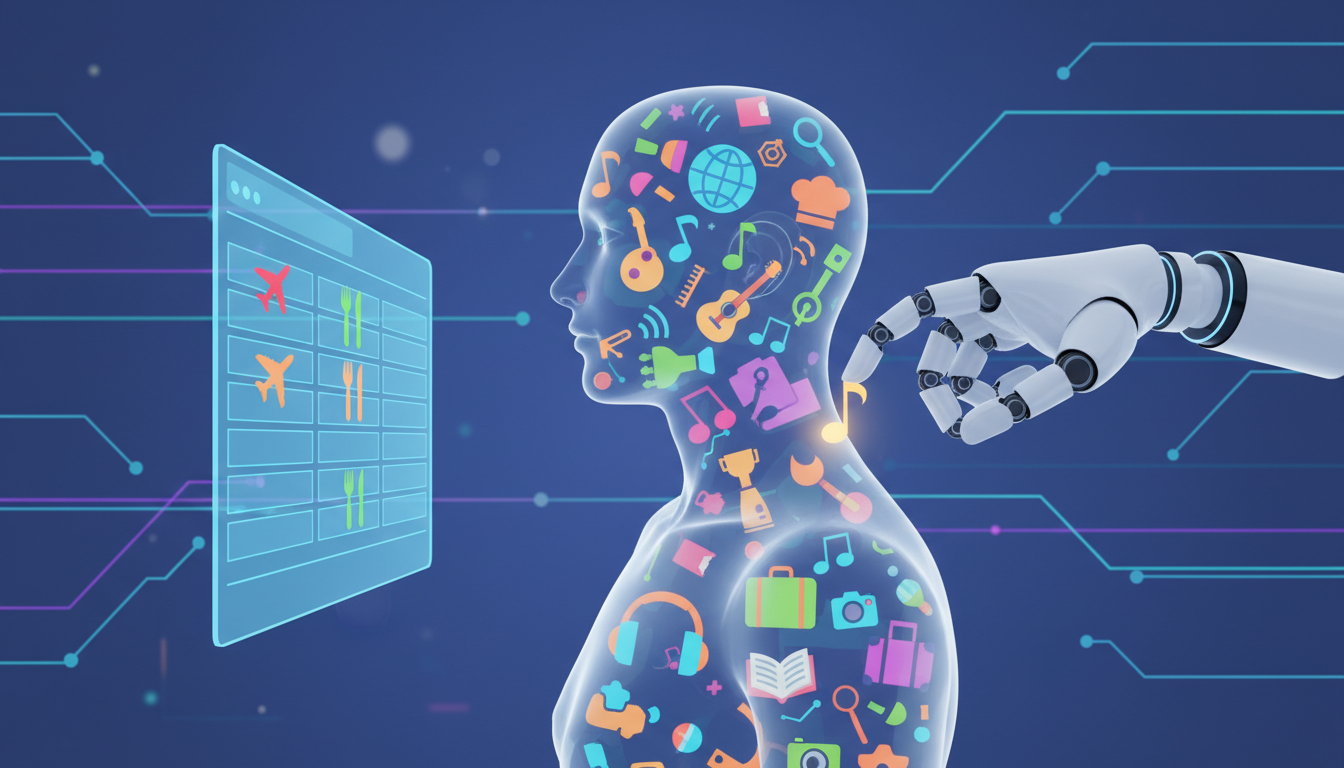
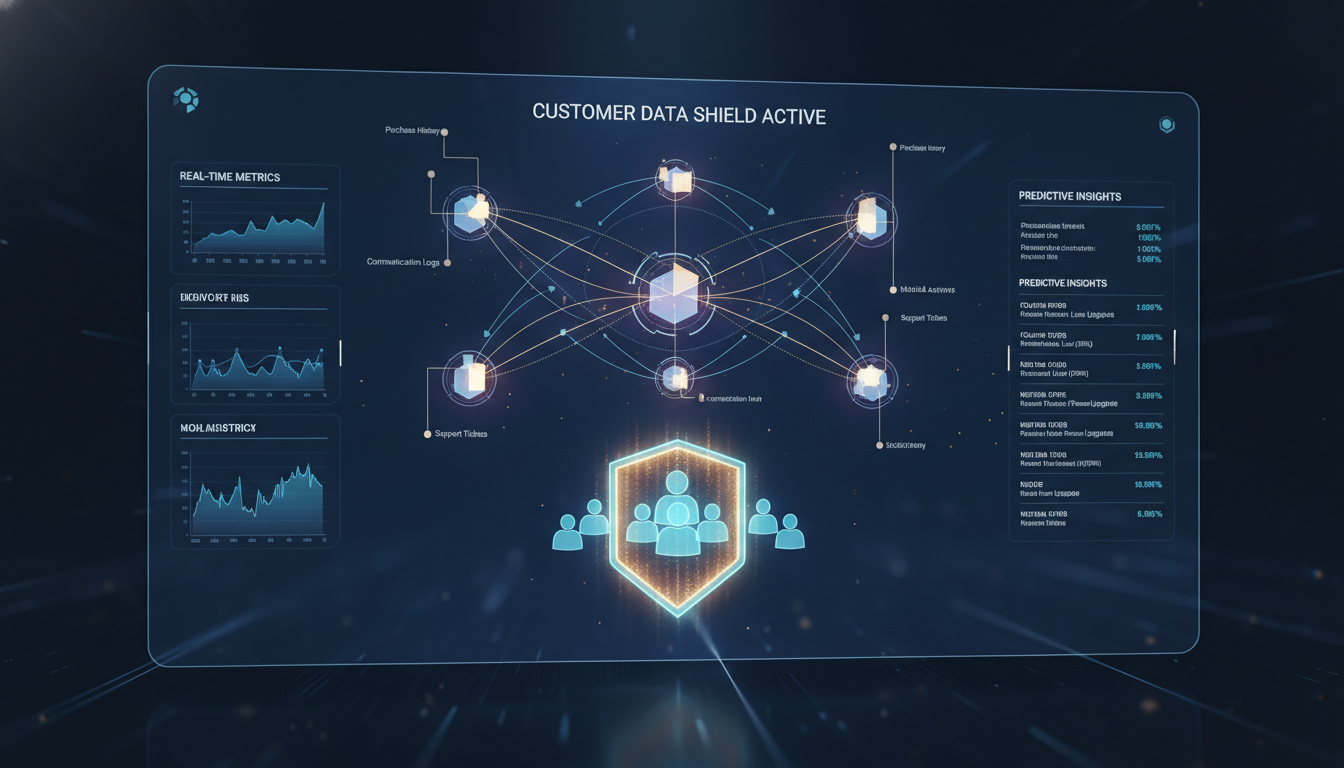



For decades, CRM systems served a singular, functional purpose: storing data. They kept track of names, addresses, purchase histories, and the date of the last interaction. While this information was valuable, it was largely historical and static. It told you what happened, but it rarely explained why. As the digital landscape expanded to include social media, review sites, and instant messaging, the volume of customer feedback became overwhelming.
Businesses found themselves drowning in data but starving for insights. This gap paved the way for Sentiment Analysis—also known as Opinion Mining. By leveraging Natural Language Processing (NLP) and Machine Learning (ML), Sentiment Analysis CRM tools can automatically categorize the tone of a message as positive, negative, or neutral. It transforms raw text into actionable emotional intelligence, allowing companies to respond with empathy and precision.
Why Sentiment Analysis is the Secret Sauce of Modern CX
Imagine a scenario where a loyal customer sends an email expressing disappointment over a delayed shipment. In a traditional system, that email might sit in a queue for 24 hours. However, a CRM equipped with sentiment analysis would instantly recognize the high level of frustration and the customer’s high lifetime value, automatically escalating the ticket to a priority status. This is the power of ’emotional context’.
1. Proactive Churn Prevention: One of the greatest advantages of sentiment analysis is the ability to spot ‘at-risk’ customers early. By monitoring trends in communication, AI can alert account managers when a client’s tone shifts from enthusiastic to indifferent, providing a window of opportunity to rectify the relationship before they jump ship.
2. Enhanced Personalization: Personalization is more than just putting a customer’s name in an email subject line. It’s about matching the tone of your communication to their current state of mind. If a customer is delighted, your follow-up can be celebratory; if they are frustrated, it should be concise and solution-oriented.
[IMAGE_PROMPT: A futuristic data visualization showing a 3D interface of customer faces transitioning from sad to happy as AI algorithms analyze their digital footprints in a sleek, dark-themed command center.]
Key Features to Look for in Sentiment Analysis CRM Tools
When evaluating which tool fits your organization, it is essential to look beyond the marketing buzzwords. A truly effective sentiment analysis integration should offer the following:
- Social Listening Integration: Sentiment isn’t just found in direct emails; it’s happening on Twitter, Reddit, and LinkedIn. Your CRM should be able to pull in these external mentions to provide a holistic view of brand perception.
- Real-time Dashboarding: Emotions are fleeting. Having a dashboard that updates in real-time allows leadership to see how a new product launch or a PR crisis is affecting public mood as it happens.
- Nuance and Context Detection: Language is complex. The word ‘great’ can be sincere or sarcastic. The best tools use advanced NLP models that consider the context of the entire conversation rather than just scanning for individual keywords.
Top Players in the Sentiment Analysis CRM Space
Several industry giants have already integrated these capabilities into their cores. Salesforce Einstein is perhaps the most well-known, offering powerful predictive insights and sentiment scoring within its AI layer. Meanwhile, Zoho CRM has introduced ‘Zia’, an AI assistant that analyzes the tone of customer emails to help sales reps prioritize their day.
Zendesk has also made significant strides by incorporating sentiment analysis into its ticketing system, allowing support teams to see the ‘temperature’ of a ticket before they even open it. For smaller businesses, integrations like Hubspot’s Service Hub offer similar capabilities through a marketplace of specialized AI plugins, ensuring that even mid-market companies can compete with the giants in terms of customer experience.
[IMAGE_PROMPT: A professional office setting where a diverse team of customer support representatives use a dashboard showing emotional sentiment scores and colorful heat maps next to customer profiles.]
The Challenges: It’s Not All Sunshine and Algorithms
While the technology is impressive, it is not without its hurdles. Sarcasm remains the ‘final boss’ for many NLP models. A customer tweeting “Great, another update that breaks everything!” might be flagged as positive by a basic algorithm because of the word ‘great.’ Furthermore, cultural nuances and slang vary wildly across regions, making multi-language sentiment analysis a complex undertaking.
Privacy is another critical concern. As businesses collect and analyze the emotional data of their users, they must remain transparent about how that data is used. Ethical AI practices are not just a legal requirement under frameworks like GDPR; they are essential for maintaining the very trust that sentiment analysis aims to build.
The Future: From Reactive to Predictive Empathy
We are currently moving from a reactive phase—responding to sentiment—to a predictive phase. Future CRM tools will likely use historical sentiment data to predict how a specific customer is likely to react to a price change or a new feature. We might even see ‘Voice Sentiment Analysis’ becoming standard in call centers, where AI analyzes the pitch and tone of a caller’s voice in real-time to guide the agent on how to de-escalate a tense situation.
In conclusion, Sentiment Analysis CRM tools are shifting the focus of business from transactions to transitions—the emotional journey a customer takes with a brand. By listening to the heartbeat of your audience through data, you create a business that is not just efficient, but human. In a world where customers have more choices than ever, the brand that truly ‘gets’ them is the one that wins.