The Need for Speed: Why Real-time Customer Data Platforms (CDP) are the New Standard for Modern Marketing

The Need for Speed: Why Real-time Customer Data Platforms (CDP) are the New Standard for Modern Marketing
In the world of modern marketing, timing isn’t just everything—it is the only thing. We have all been there: you buy a pair of shoes online, and for the next two weeks, every advertisement you see is for those exact same shoes. It’s annoying, it’s redundant, and frankly, it is a sign of a brand living in the past. This happens because the brand’s data is lagging. They know what you did yesterday, but they haven’t caught up to what you are doing now. Enter the Real-time Customer Data Platform (CDP).
A Real-time CDP is the engine that allows businesses to stop playing catch-up and start engaging with customers in the literal moment of interest. But what exactly makes a CDP “real-time,” and why is it becoming the non-negotiable backbone of the modern tech stack? Let’s break it down in a way that’s professional but easy to digest.




What Exactly is a Real-time CDP?
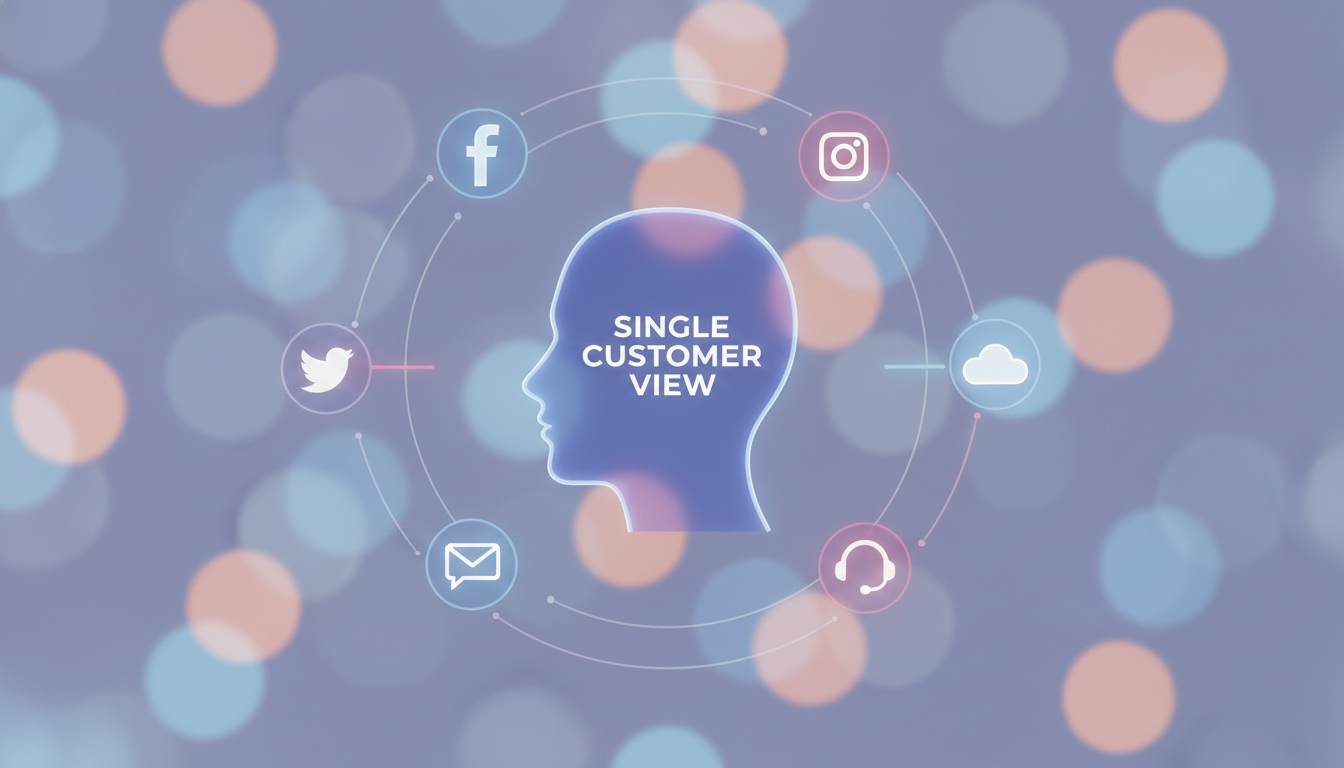
To understand the real-time version, we first need to acknowledge the standard CDP. A traditional Customer Data Platform is designed to aggregate data from various sources—social media, email, website visits, and offline transactions—to create a “Single Customer View.” However, many older systems rely on “batch processing.” This means data is collected and processed in chunks, often taking hours or even days to update a profile.
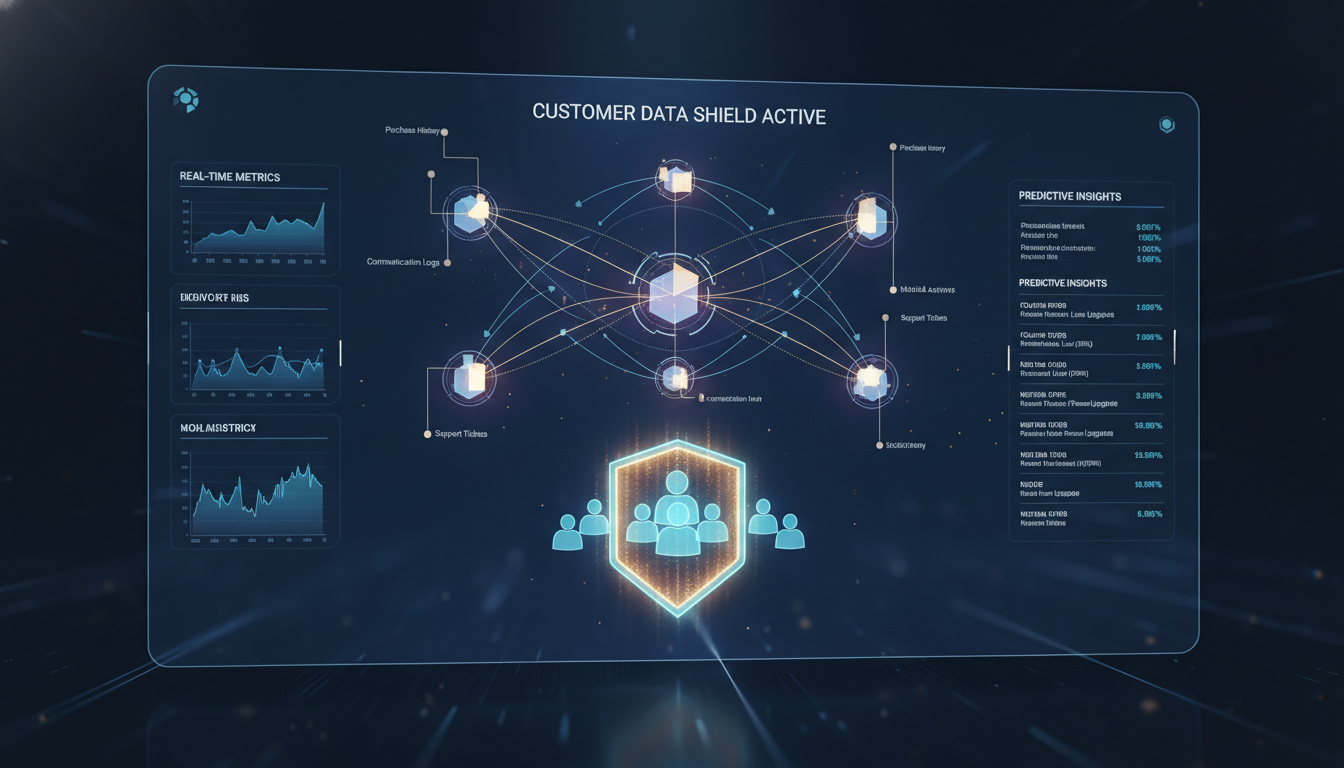
A Real-time CDP, on the other hand, operates on an event-driven architecture. The moment a customer clicks a link, adds an item to a cart, or enters a physical store, that information is ingested, processed, and reflected in their profile within milliseconds. We are talking about sub-second latency. It is the difference between reading a history book and watching a live stream.

The Core Pillars of Real-time Data Management
To pull off this feat of digital gymnastics, a Real-time CDP relies on four critical pillars:
1. Instant Ingestion: The platform must be able to listen to “signals” from every touchpoint simultaneously. Whether it’s a mobile app event or a server-side API call, the system doesn’t wait for a scheduled upload.
2. Identity Resolution at Scale: This is the hard part. The CDP must instantly recognize that “User_123” on a mobile phone is the same as “John Doe” who just logged in on a laptop. Doing this in real-time requires sophisticated matching algorithms that don’t choke under pressure.
3. Real-time Segmentation: Once the data is in, the customer needs to be sorted. If a user just spent $500, they should immediately move from the “Prospect” segment to the “VIP” segment so the next piece of content they see reflects their new status.
4. Instant Activation: Data is useless if it just sits there. A Real-time CDP must be able to trigger actions—like sending a push notification or updating a website banner—instantly based on the fresh data it just received.
Why Your Business Can’t Wait (Literally)
You might be thinking, “Is a few hours of lag really that bad?” In a world of instant gratification, the answer is a resounding yes. Let’s look at a few scenarios where real-time data changes the game.
Abandoned Cart Recovery 2.0
In the old world, you might send an email 24 hours after someone leaves your site. In the real-time world, if a high-value customer leaves a cart, you can trigger a personalized discount via a chatbot while they are still browsing a competitor’s site. You catch them while the intent is still hot.
In-Store Personalization
Imagine a customer walks into a brick-and-mortar store. If your CDP is real-time and connected to the store’s Wi-Fi or app, the sales associate can receive a notification on their tablet: “Sarah just arrived. She was looking at the blue suede jackets online ten minutes ago.” That level of service is only possible when data moves at the speed of light.
Navigating the Challenges: Privacy and Complexity
Now, it’s not all sunshine and rainbows. Implementing a Real-time CDP comes with its own set of headaches. First, there’s the issue of data privacy. With regulations like GDPR and CCPA, businesses have to be incredibly careful about how they collect and use data. A real-time system must have robust, built-in governance to ensure that if a customer opts out of tracking, that preference is honored across all systems immediately.
Then there is the technical complexity. Integrating a Real-time CDP into a legacy tech stack is like trying to swap the engine of a plane while it’s mid-flight. It requires a clear strategy and, often, a shift in organizational culture. Marketing, IT, and Data Science teams must be aligned, because real-time data demands real-time decision-making.
How to Choose the Right Platform
If you are in the market for a Real-time CDP, don’t get blinded by flashy marketing decks. Look for these three things:
- True Latency Specs: Ask the vendor for their definition of “real-time.” Is it five minutes? Or is it 50 milliseconds? For true personalization, you want the latter.
- Integration Ecosystem: A CDP is only as good as the tools it talks to. Ensure it has native connectors for your current CRM, ad platforms, and email service providers.
- Scalability: Your data needs today will not be your data needs next year. Ensure the platform can handle spikes in traffic (like Black Friday) without crashing or slowing down.
The Bottom Line
The shift toward Real-time Customer Data Platforms isn’t just a trend; it’s a fundamental change in how businesses interact with the world. We are moving away from “push” marketing—where we blast messages at people—and toward “responsive” marketing, where we listen and react.
In a marketplace where the consumer holds all the power, the brands that win will be the ones that pay the most attention. By investing in real-time capabilities, you aren’t just buying software; you are buying the ability to be relevant. And in the digital age, relevance is the most valuable currency there is. So, is your data working for you right now, or is it still stuck in yesterday? It might be time to hit the gas.