The Revolution of No-Code CRM Customization: A Deep Dive into Business Agility

In the fast-paced arena of modern business, the ability to adapt is no longer just an advantage—it is a survival mechanism. For decades, Customer Relationship Management (CRM) systems served as rigid repositories of data, requiring specialized programming knowledge and weeks of development time just to add a single custom field or automate a basic follow-up sequence. However, we have entered a new era. The rise of no-code CRM customization has democratized software development, placing the power of transformation directly into the hands of the people who use the software most: the sales, marketing, and support teams.
The Shift from Code to Configuration
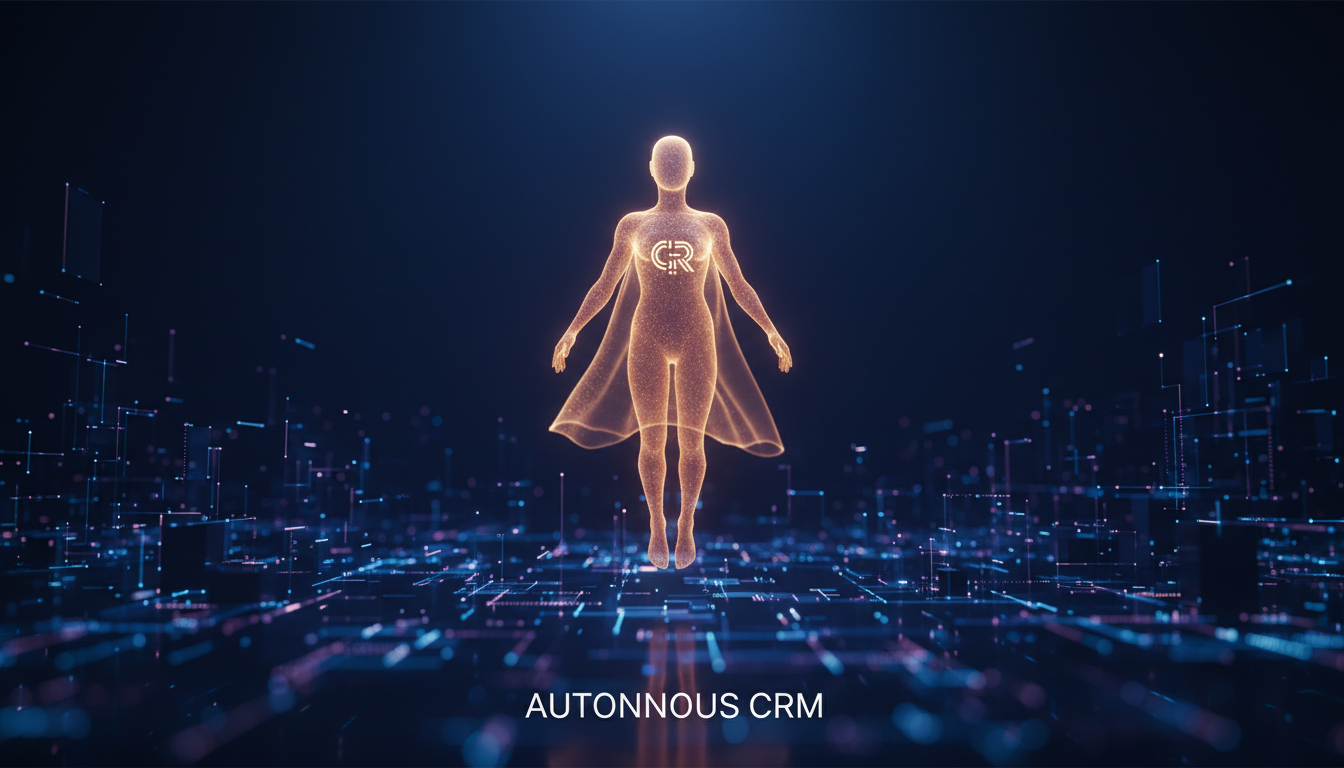
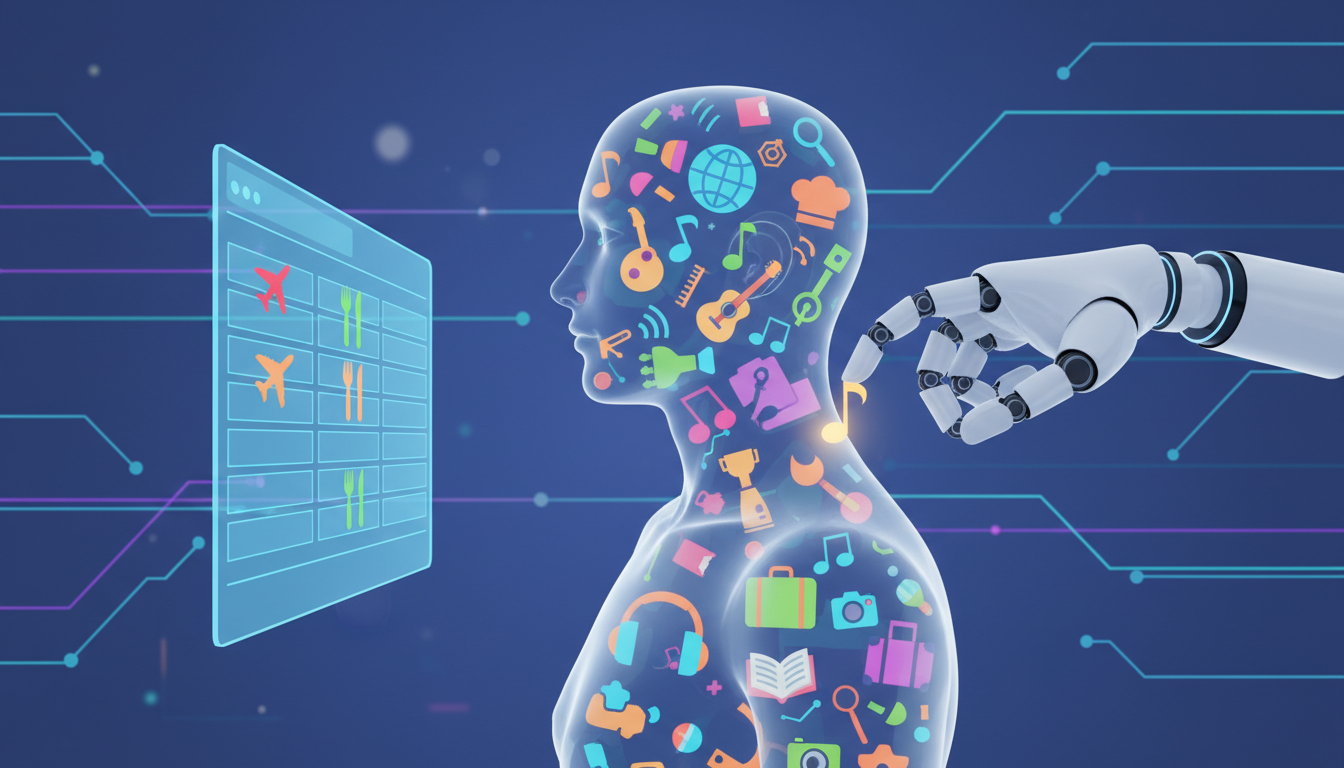




No-code technology is not merely a trend; it is a fundamental shift in how enterprise software is constructed and managed. At its core, no-code CRM customization allows users to design, build, and automate complex workflows using visual interfaces rather than traditional programming languages like Python or JavaScript. Through intuitive drag-and-drop builders, toggles, and pre-built templates, organizations can now tailor their CRM environments to match their unique operational processes with surgical precision.
Historically, any modification to a CRM required a ‘Request for Proposal’ or a ticket to the IT department. This created a bottleneck where business ideas died in the queue of technical debt. No-code platforms eliminate this friction. By utilizing a visual logic layer, a sales manager can now build a lead scoring model in an afternoon, or a customer success lead can design a bespoke ticketing dashboard without writing a single line of code. This shift empowers the ‘citizen developer’—the subject matter expert who understands the business logic even if they don’t understand syntax.
[IMAGE_PROMPT: A sleek, modern digital interface of a CRM platform showing a drag-and-drop dashboard builder, with colorful charts and UI elements being moved by a human hand, minimalist professional aesthetic, high-resolution UI/UX design.]
Why No-Code Customization Matters for Scaling
Scaling a business often means navigating increasing complexity. As a company grows, its data needs become more granular. A startup might only need to track names and emails, but an enterprise needs to track multi-touch attribution, regional compliance data, and complex contract renewal cycles. No-code CRM customization provides the elasticity required to grow without the heavy overhead of maintaining a massive internal development team.
1. Agility and Speed to Market: In a traditional environment, testing a new sales process could take months. With no-code, a team can prototype a new workflow on Monday, test it on Tuesday, and roll it out globally by Friday. This rapid iteration allows companies to respond to market shifts or competitor moves in real-time.
2. Reduced Total Cost of Ownership (TCO): Customizing a legacy CRM through specialized consultants can cost hundreds of thousands of dollars annually. No-code platforms shift that expense from external contractors to internal talent, leveraging the people who are already on the payroll and who understand the customer journey best.
3. Data Integrity and Governance: While ‘no-code’ sounds like a free-for-all, modern platforms come with robust governance frameworks. Administrators can set permissions, ensuring that while users can customize their views and workflows, the underlying data architecture remains secure and compliant with regulations like GDPR or CCPA.
Breaking Down the Customization Pillars
When we talk about deep customization without code, we are generally looking at four primary pillars:
Visual Data Modeling: This involves creating custom objects and fields. If you are a real estate firm, you don’t just need ‘leads’; you need ‘properties’, ‘listings’, and ‘inspections’. No-code tools allow you to create these entities and link them together relationally.
Automated Workflows: This is the engine of the CRM. It involves ‘If-This-Then-That’ logic. For example, if a high-value lead hasn’t been contacted in 48 hours, the system can automatically reassign the lead and send a Slack notification to the regional manager.
Custom User Interfaces: Not every employee needs to see every piece of data. No-code allows for the creation of role-based dashboards. A salesperson sees their pipeline and tasks, while a CFO sees revenue projections and churn rates, all pulled from the same data source but presented differently.
[IMAGE_PROMPT: A diverse group of office professionals sitting around a tablet, smiling and pointing at a complex automated workflow diagram displayed on a large screen, high-tech office environment, soft natural lighting, professional atmosphere.]
The Human Element: Empowering Teams
Perhaps the most overlooked benefit of no-code CRM customization is the psychological impact on the workforce. When employees are forced to use tools that don’t fit their workflow, they often find workarounds outside the system—using spreadsheets or personal notes. This leads to ‘shadow data’ and fragmented insights.
When a team can build their own tools, they have a sense of ownership over the process. This leads to higher adoption rates and cleaner data. The CRM stops being a ‘management surveillance tool’ and starts being a ‘productivity partner.’ It’s a relaxed approach to technology where the tool serves the human, not the other way around.
Challenges and the Road Ahead
It would be remiss to suggest that no-code is a magic bullet without its own set of considerations. As customization becomes easier, there is a risk of ‘process bloat’—creating too many automated steps that actually confuse the user. Strategic oversight is still necessary to ensure that the CRM remains streamlined.
Furthermore, the integration of Artificial Intelligence (AI) is the next frontier for no-code customization. We are moving toward a future where a user can simply type, ‘Build me a workflow that alerts me when a customer in the retail sector shows signs of churn risk based on their last three support tickets,’ and the CRM will build the logic automatically. This ‘Natural Language Customization’ will be the final step in the no-code revolution.
Conclusion
No-code CRM customization represents the ultimate democratization of business technology. It bridges the gap between creative business strategy and technical execution. By stripping away the barriers of syntax and compilation, companies can focus on what truly matters: understanding their customers and building meaningful relationships. As we look forward, the businesses that thrive will not be those with the biggest IT budgets, but those that can most quickly translate an idea into a functional, customized digital reality. The era of the rigid CRM is dead; the era of the agile, user-defined platform is here.