The Evolution of Engagement: Masterclass in Hyper-Personalized Customer Journeys

The Evolution of Engagement: Masterclass in Hyper-Personalized Customer Journeys
In the early days of digital marketing, the gold standard was simple: address the customer by their first name in an email. It felt personal, revolutionary even. Fast forward to the current era, and if a brand only manages to get your name right, they are already losing the race. We have transitioned from the era of mass marketing to the era of “hyper-personalization.” This isn’t just a buzzword; it is a fundamental shift in how businesses interact with humans. A hyper-personalized customer journey is no longer a linear path but a dynamic, living ecosystem that adapts in real-time to the individual’s needs, moods, and contexts.
Beyond the First Name: What is Hyper-Personalization?
To understand hyper-personalization, we must first distinguish it from traditional personalization. Standard personalization relies on static data—your name, your birthday, or perhaps your last purchase. It’s retrospective. Hyper-personalization, however, is prospective and real-time. It leverages Artificial Intelligence (AI), Machine Learning (ML), and real-time data to create a “segment-of-one” strategy.
Think of it this way: traditional personalization knows you like coffee. Hyper-personalization knows you are currently walking past a specific cafe at 8:15 AM on a rainy Tuesday, you haven’t had your caffeine fix yet, and you prefer an oat-milk latte when the temperature drops below 15 degrees Celsius. It then delivers a notification for a discount on that exact drink, right as you’re ten steps from the door. That is the level of granularity we are talking about.
The Engine Under the Hood: Data and AI
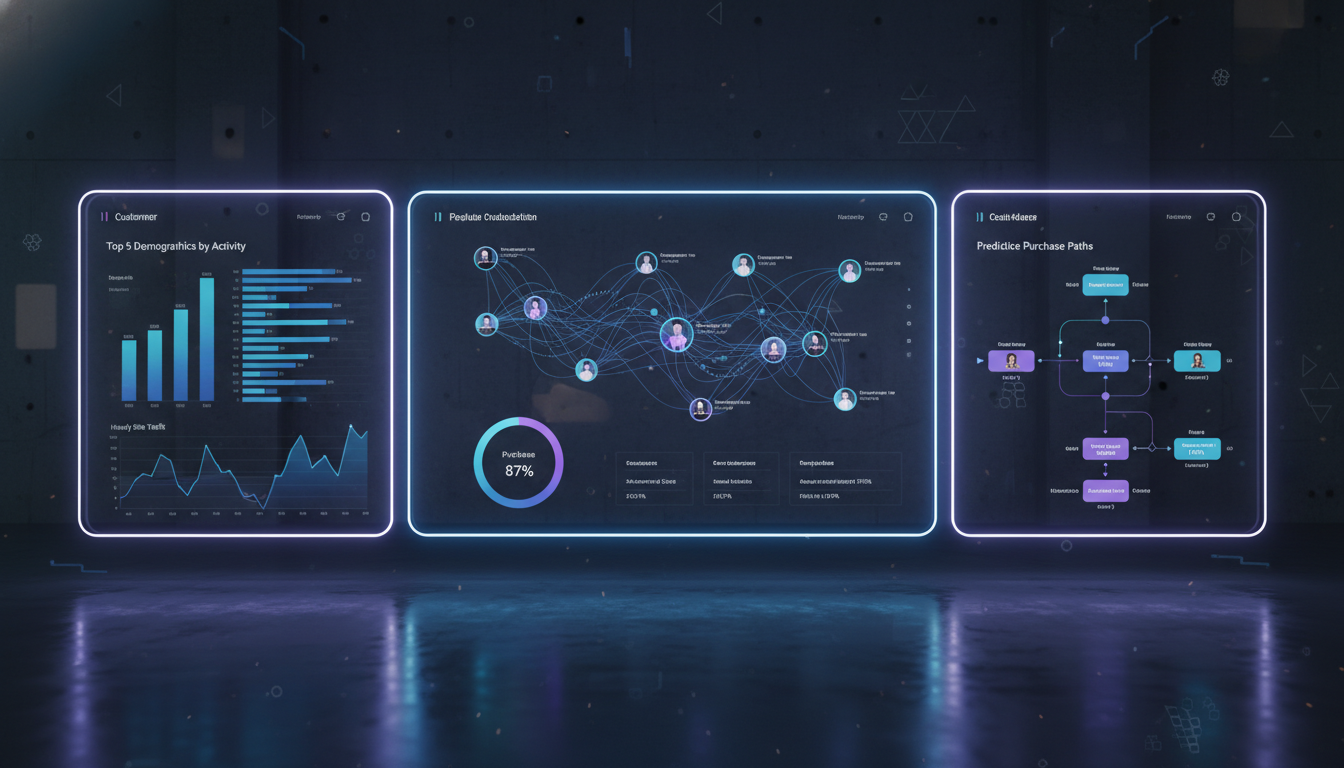
The backbone of these journeys is the seamless integration of Big Data. For a brand to truly understand a customer, it must synthesize data from dozens of touchpoints: social media interactions, website browsing history, IoT device data, customer service logs, and even environmental factors like weather or local events.
However, data alone is just noise. The real magic happens in the processing layer. Machine learning algorithms analyze this mountain of information to identify patterns that no human analyst could ever spot. These algorithms predict intent. They understand that a user browsing high-end luggage on a Tuesday night might be planning a luxury vacation, while the same user browsing the same items on a Friday afternoon might be looking for a last-minute business travel solution. The response from the brand must differ accordingly.
Mapping the Journey: A Multi-Touchpoint Symphony
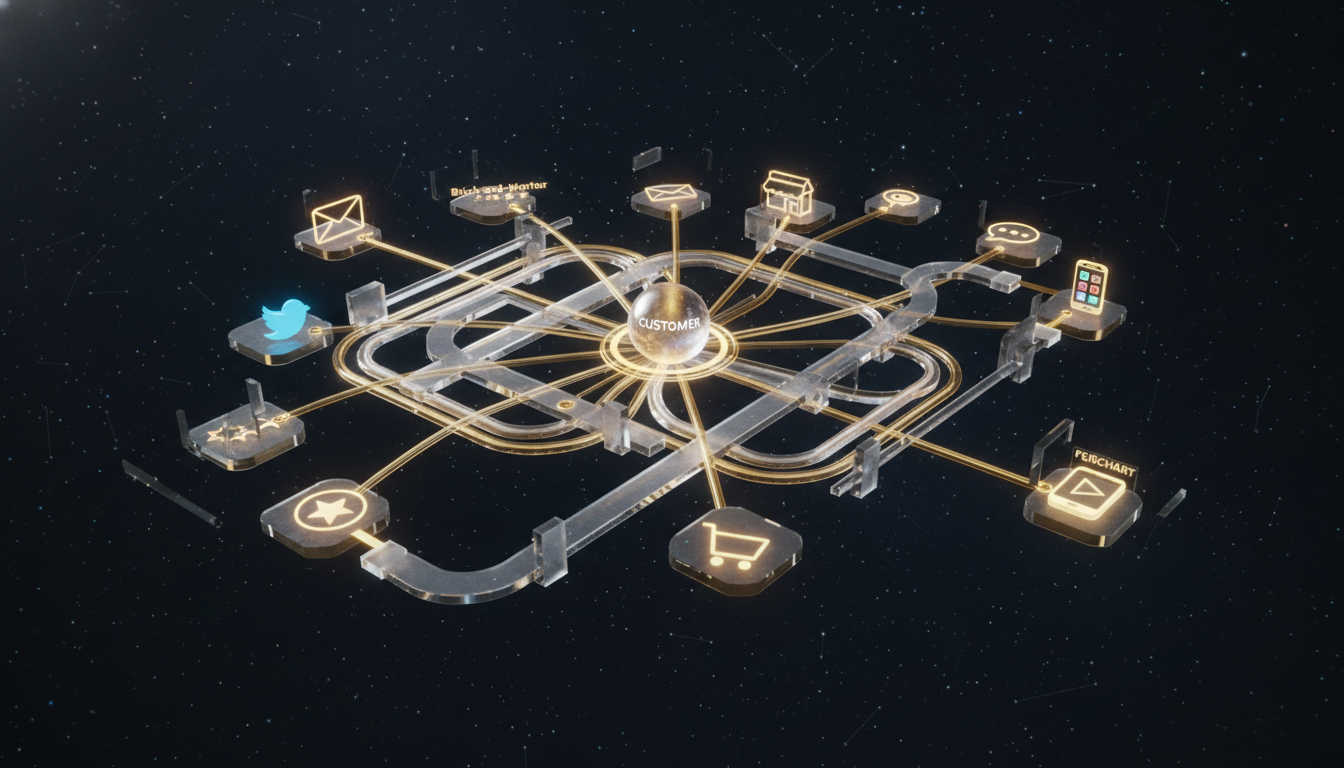
A hyper-personalized journey doesn’t live in a single channel. It is an omni-channel experience where the transition between mobile, desktop, and physical brick-and-mortar stores is invisible to the customer.
1. Discovery Phase: The journey often starts before the customer even visits your site. Through predictive advertising, a brand can show an ad for a product the customer doesn’t even know they need yet, based on their recent life changes or complementary interests.
2. Engagement Phase: When the customer lands on the website, the entire layout might change. A returning visitor who frequently buys sports gear will see an interface focused on performance, while a new visitor might see a broader, educational welcome screen.
3. Conversion Phase: The checkout process is optimized based on preferred payment methods and delivery times. If a customer historically abandons carts due to high shipping costs, the system might trigger a real-time free-shipping coupon to seal the deal.
4. Loyalty Phase: Post-purchase interaction is where the relationship is truly built. Instead of a generic “thank you” email, the brand sends a personalized video tutorial on how to use the specific product purchased, followed by a replenishment reminder calculated exactly when the product is likely to run out.
The Privacy Paradox: Trust as a Currency
Now, let’s address the elephant in the room: privacy. To achieve this level of personalization, brands need access to a lot of personal information. In an era of GDPR, CCPA, and a general public that is increasingly wary of “creepy” tracking, how do you balance personalization with privacy?
The answer lies in the value exchange. Customers are generally willing to share their data if they receive tangible value in return—be it saved time, saved money, or a significantly better experience. Transparency is the bedrock here. Brands must be clear about what data they are collecting and, more importantly, how it benefits the user. When a brand moves from “tracking” to “serving,” the customer’s perception shifts from suspicion to appreciation. Trust is the new currency in the digital economy; once lost, it is nearly impossible to regain.
Overcoming the Implementation Hurdle
For many organizations, the hurdle isn’t the vision—it’s the execution. Legacy systems often act as silos, keeping customer data trapped in separate departments. The marketing team doesn’t know what the customer service team knows, and the physical store staff has no idea what the customer did on the mobile app.
Breaking down these silos requires a robust Customer Data Platform (CDP). A CDP acts as a single source of truth, unifying data from all sources to create a 360-degree view of the customer. Only then can the AI engines begin to orchestrate the journey. It’s an investment, certainly, but the ROI on hyper-personalization is staggering. Studies consistently show that brands excelling in this area see revenue growth rates 10-15% higher than their competitors.
Conclusion: The Future is Individual
We are moving toward a future where the “average customer” no longer exists. There is only the customer—the individual standing in front of your digital or physical storefront at this very moment. Hyper-personalized customer journeys are the ultimate expression of customer-centricity. They turn transactions into relationships and browsers into brand advocates.
As we look ahead, the integration of Augmented Reality (AR) and even more advanced predictive analytics will make these journeys even more immersive. The goal isn’t just to follow the customer; it’s to walk beside them, anticipating their needs before they even voice them. In the end, hyper-personalization isn’t about the technology—it’s about using technology to be more human at scale.